Postpartum Is Hard — And That's Okay: What No One Tells You About Recovery After Birth
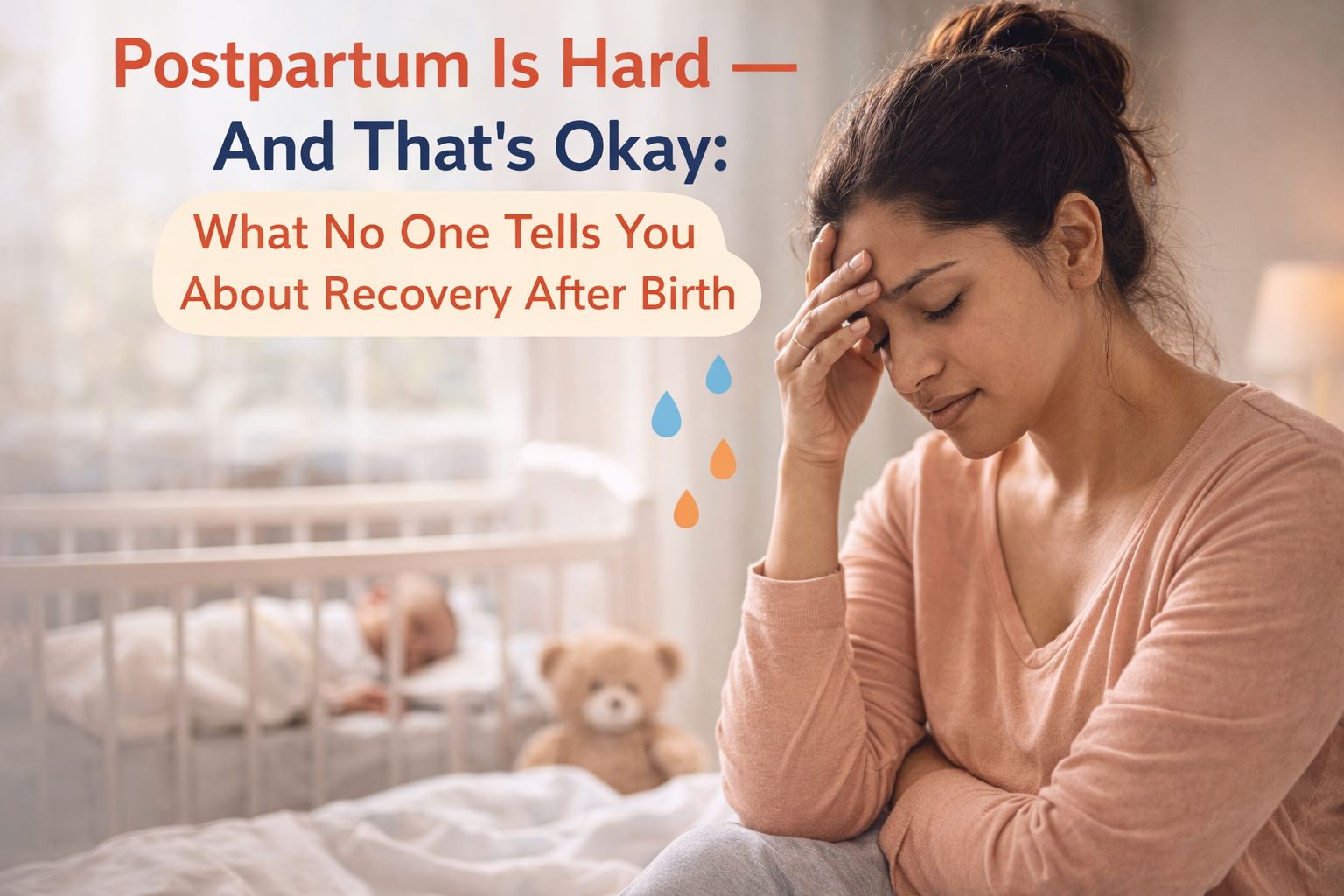
Nobody prepares you for how hard the postpartum period really is. The cultural narrative around new motherhood is dominated by images of glowing mothers holding peaceful sleeping babies, looking tired but radiantly happy. The reality for most mothers is more complicated, more uncomfortable, more isolating, and more beautiful than that — all at once.
This guide is an honest account of what to expect in the weeks after birth — physically and emotionally — and what genuinely helps.
Physical Recovery: What Is Normal
The First 24-48 Hours
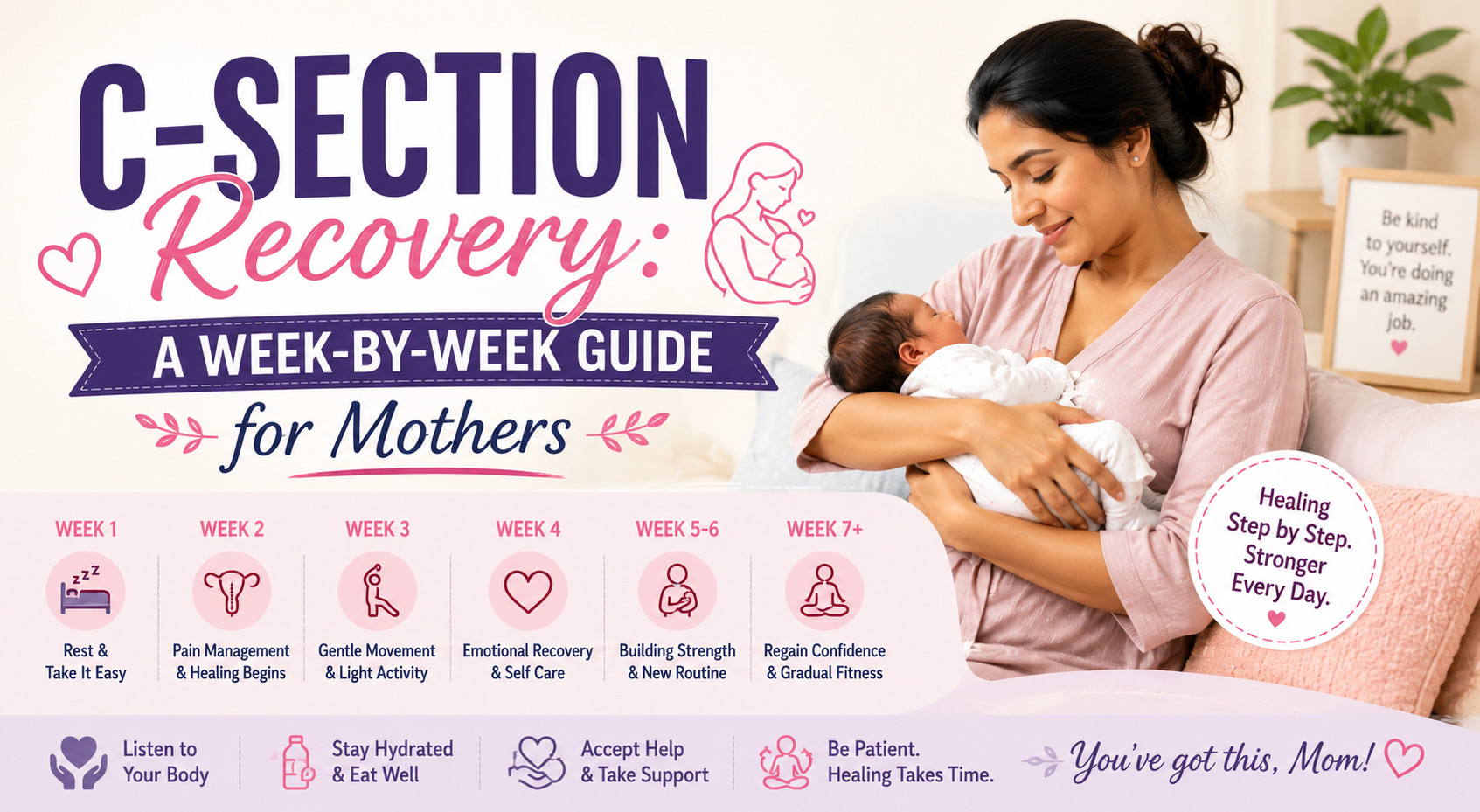
Regardless of how you delivered, the first two days after birth involve significant physical recovery. After a vaginal birth, perineal soreness, swelling and bruising are expected — particularly if you had a tear or episiotomy. Sitting can be uncomfortable for days to weeks. After a caesarean, you are recovering from major abdominal surgery — you will have wound pain, difficulty moving, and significant fatigue.
Lochia
Lochia is the postpartum vaginal discharge that occurs as the uterus sheds its lining. It is heavier than a normal period for the first few days, gradually becoming lighter and changing from red to pink to brown to yellow-white over four to six weeks. Large clots larger than a 50-paise coin, a sudden increase in bleeding, or foul-smelling discharge warrant prompt medical assessment.
Afterpains
Uterine cramping — known as afterpains — occurs as the uterus contracts back to its pre-pregnancy size. These are typically stronger in subsequent pregnancies and can be intensified by breastfeeding. They generally resolve within the first week.
🛒 RECOMMENDED PRODUCT Postpartum Recovery Kit India A postpartum recovery kit can make the first weeks significantly more comfortable. Search for a postpartum recovery kit on Amazon — paste your affiliate link here. 🔗 Amazon Link: Postpartum Recovery Kit India |
Physical Recovery: What Helps
Rest as much as possible in the first two weeks — this is not lazy, it is medically important. Accept help from family. Eat regularly and stay hydrated, particularly if breastfeeding. Take short walks once your doctor clears you — gentle movement helps recovery. Do not attempt any strenuous exercise until at least six weeks postpartum and after clearance from your healthcare provider.
Perineal Care
For perineal recovery: use a peri bottle filled with warm water after every toilet visit, apply ice wrapped in a cloth for the first 24 hours, take sitz baths twice daily if recommended by your provider, wear clean cotton underwear, and change maternity pads frequently.
🛒 RECOMMENDED PRODUCT Postnatal Vitamins Breastfeeding Nutritional deficiencies are common after childbirth and breastfeeding significantly increases nutritional demands. Postnatal vitamins formulated for breastfeeding mothers support recovery. Paste your Amazon affiliate link here. 🔗 Amazon Link: Postnatal Vitamins Breastfeeding |
Emotional Recovery: What Is Normal
The postpartum period is one of the most emotionally intense of a woman's life. Hormones that were extremely elevated during pregnancy drop sharply within the first few days of birth — oestrogen levels fall by 90 to 95 percent in the first three days. This hormonal shift, combined with sleep deprivation, the demands of a newborn, and a completely changed identity, creates the conditions for significant emotional vulnerability.
Baby Blues
Approximately 70 to 80 percent of new mothers experience the baby blues in the first one to two weeks — tearfulness, emotional lability, anxiety, feeling overwhelmed, and self-doubt. The baby blues are a normal response to the hormonal shift of birth and typically resolve on their own within two weeks without treatment.
What does not resolve within two weeks, what involves thoughts of harming yourself or your baby, or what significantly impairs your ability to care for yourself or your baby is not the baby blues — it may be postpartum depression or another postpartum mood disorder, which is common, treatable, and not your fault. Contact your healthcare provider.
What Actually Helps in the Postpartum Period
• Accept help unconditionally — food, laundry, holding the baby so you can sleep
• Sleep when you can, not when the housework is done
• Eat real meals, not just snacks
• Stay connected with at least one adult daily — isolation makes everything harder
• Lower your expectations of yourself radically and repeatedly
• Remember that the hardest phase does not last forever — it only feels that way
For postnatal support services, Japa care, lactation consultants and mental health professionals specialising in postpartum care, visit firstchoiceclub.in.
22 Mar