Natural Ways to Calm Pregnancy Anxiety: What Actually Works
Anxiety during pregnancy is more common than most people acknowledge. Research suggests that up to 20 percent of pregnant women experience clinically significant anxiety — a higher prevalence than postpartum depression, though it receives considerably less attention. For many women, the experience of pregnancy brings a unique combination of joy and worry: anxiety about the baby's health, about labour, about becoming a parent, about the future.
This guide covers the natural, evidence-based strategies that help most — and tells you when professional support is the right step.
Why Pregnancy Can Trigger or Worsen Anxiety
Pregnancy involves a significant hormonal shift that directly affects the brain's anxiety circuitry. Progesterone levels rise dramatically and affect GABA receptors — the brain's natural calming system. The heightened sense of responsibility for another person's life, combined with the physical discomforts of pregnancy and the uncertainty of what lies ahead, creates conditions in which anxiety can escalate.
For women who have experienced anxiety before pregnancy, symptoms often intensify. For others, pregnancy anxiety appears for the first time. In both cases, it is a normal human response to an extraordinary change — and it is manageable.
Evidence-Based Strategies That Help
Mindfulness and Meditation
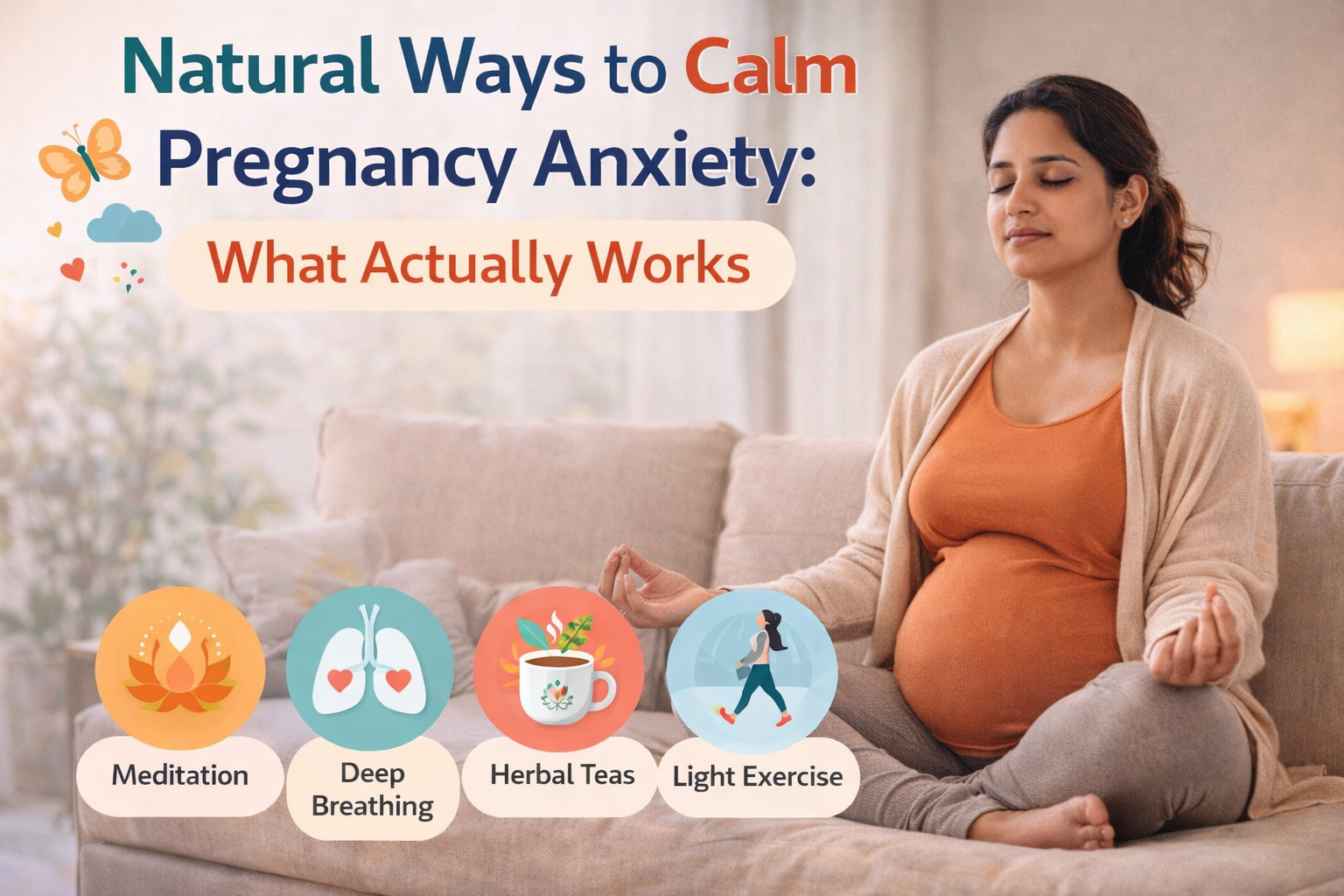
Mindfulness-based stress reduction (MBSR) has strong evidence for reducing anxiety in pregnancy. Even brief daily practice — ten minutes of focused breathing or body-scan meditation — produces measurable reductions in anxiety over several weeks. Free guided meditation apps like Insight Timer have specific pregnancy meditations.
Regular Gentle Exercise
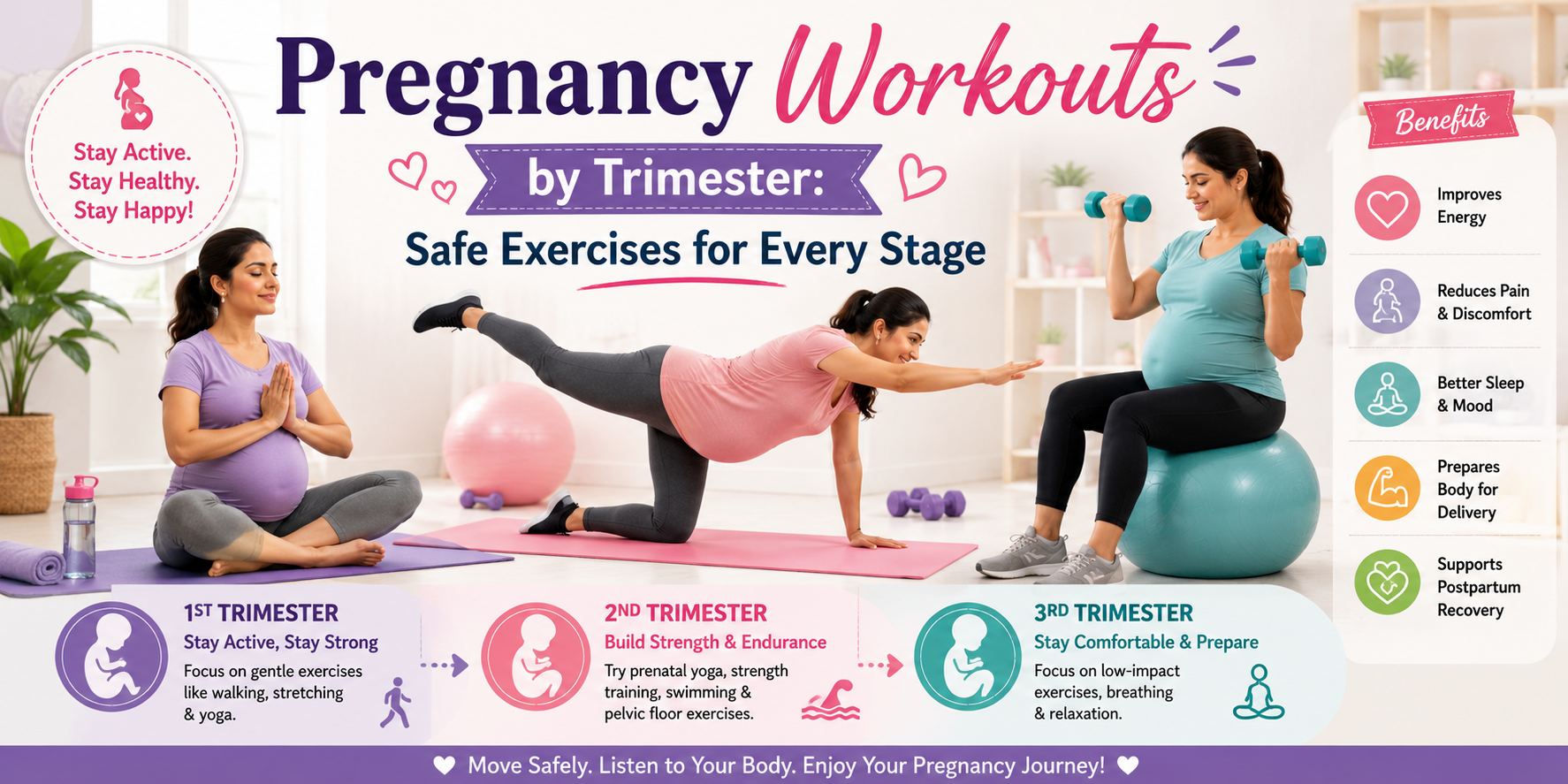
Prenatal yoga, walking and swimming are all associated with significant reductions in pregnancy anxiety. Exercise releases endorphins, improves sleep quality, and provides a sense of physical competence and control. Most obstetricians recommend 30 minutes of moderate exercise most days of the week throughout an uncomplicated pregnancy.
Sleep
Sleep and anxiety have a bidirectional relationship — anxiety disrupts sleep, and poor sleep worsens anxiety. Prioritising sleep during pregnancy is not a luxury but a genuine therapeutic intervention. A pregnancy pillow that provides proper support can significantly improve sleep quality from the second trimester onwards.
🛒 RECOMMENDED PRODUCT Full Body Pregnancy Pillow A good pregnancy pillow dramatically improves sleep quality in the second and third trimester. It provides full-body support and reduces the discomfort that interrupts sleep. Paste your Amazon affiliate link here. 🔗 Amazon Link: Full Body Pregnancy Pillow |
Information and Education
Anxiety often feeds on uncertainty. For many women, learning about what to expect at each stage of pregnancy, what labour involves, and what the early weeks of parenthood look like significantly reduces anxiety. Antenatal classes provide both information and the reassurance of being in a group of other parents in similar situations.
Reducing Caffeine
Caffeine is a stimulant that directly elevates anxiety and disrupts sleep. Reducing intake to under 200mg per day (the recommended maximum in pregnancy) — or eliminating it entirely if anxiety is significant — is a simple, effective step.
Limiting News and Social Media
Social media presents a highly curated version of pregnancy and parenting that can significantly worsen anxiety by comparison. Setting specific time limits on social media use, and choosing accounts that present honest rather than idealised images of motherhood, can make a meaningful difference.
🛒 RECOMMENDED PRODUCT Pregnancy Safe Herbal Tea India Pregnancy-safe herbal teas support relaxation in the evenings. Always check with your doctor before using any herbal supplement during pregnancy. Search for pregnancy safe herbal tea on Amazon — paste your affiliate link here. 🔗 Amazon Link:Pregnancy Safe Herbal Tea India |
When Professional Support Is the Right Choice
Natural strategies are helpful for mild to moderate anxiety, but professional support is appropriate when anxiety is interfering with your ability to function, when it involves intrusive thoughts about harm to you or your baby, when it is accompanied by panic attacks, or when self-help strategies are not providing sufficient relief. Cognitive behavioural therapy (CBT) is highly effective for pregnancy anxiety and is available from psychologists and counsellors experienced in perinatal mental health.
For mental health professionals and pregnancy wellness services in your area, visit firstchoiceclub.in.
22 Mar