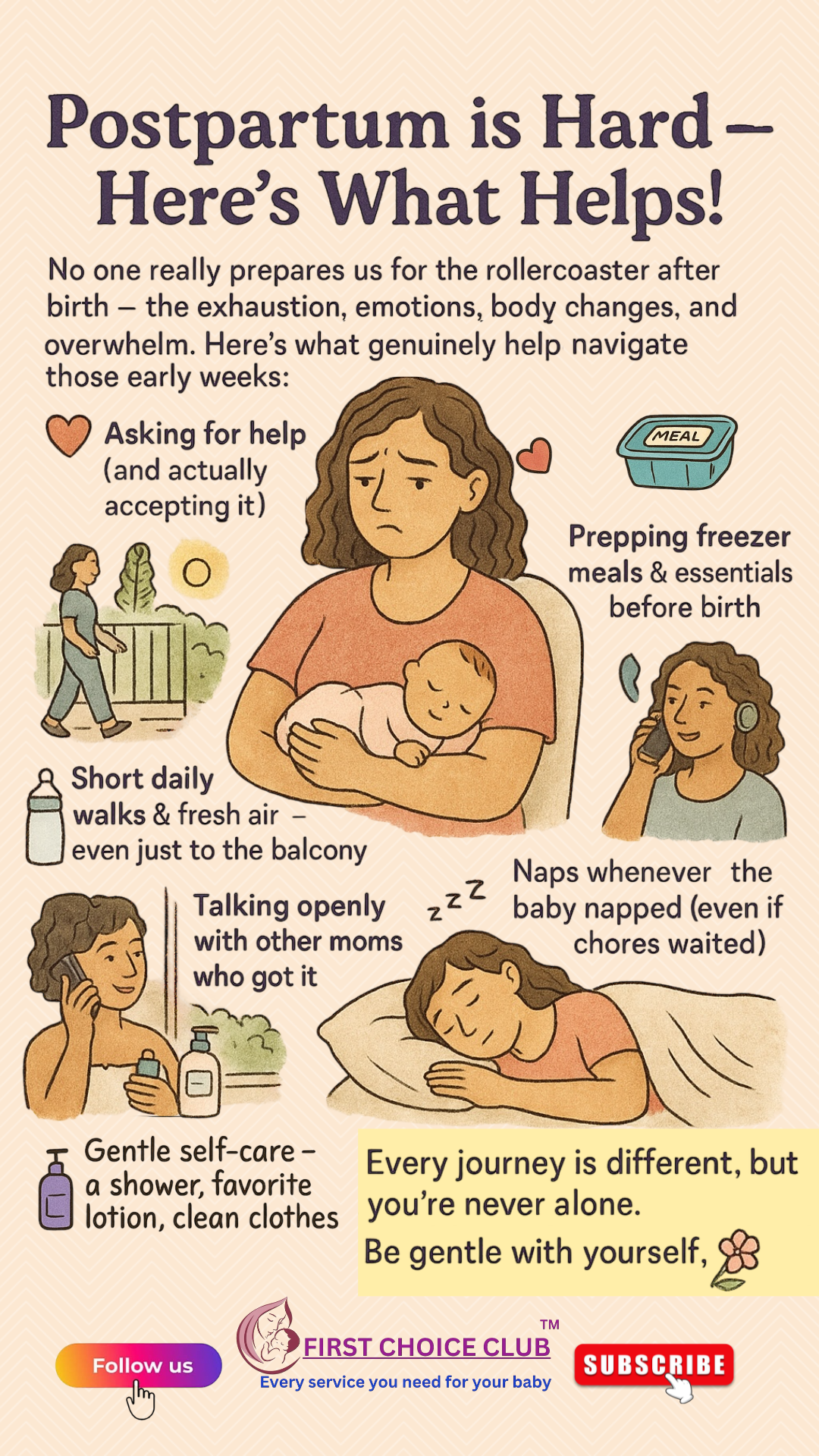
🌸 Postpartum is Hard — Here’s What Helps!
The postpartum period — often called the “fourth trimester” — is a time of immense physical recovery, emotional adjustment, and learning how to care for a newborn. While it’s often portrayed as a magical bonding period, the reality can be messy, overwhelming, and exhausting. Many new mothers quietly wonder, “Is it normal to feel this way?” The answer is yes — and you’re not alone.
In this post, let’s talk honestly about why postpartum recovery feels so hard, and what small, practical things can truly help you navigate this phase.
⸻
🤱 Why the postpartum period feels so overwhelming
After childbirth, your body and mind go through changes that are as intense as pregnancy itself:
• Hormonal shifts: Right after delivery, estrogen and progesterone levels drop dramatically. These changes can affect mood, energy, and sleep patterns.
• Physical recovery: Whether you had a vaginal birth or C-section, your body is healing — from stitches, swelling, sore muscles, and more.
• Sleep deprivation: Newborns wake often for feeding, making deep, restorative sleep nearly impossible in the early weeks.
• Emotional weight: Many mothers feel pressure to “bounce back,” be a perfect parent, and manage household responsibilities, all while feeling exhausted.
• Identity shift: Becoming a parent can challenge your sense of self, your relationship, and your confidence.
These factors combine to create what many call the “postpartum rollercoaster.” It’s normal to feel both deep love for your baby and moments of sadness, frustration, or anxiety.
⸻
❤️ What can really help during postpartum recovery
Everyone’s journey is unique, but here are gentle, realistic things that can make the postpartum period more manageable:
1️⃣ Ask for (and accept) help
Many moms feel they should handle everything themselves, but postpartum recovery is not the time to be a superhero.
• Let your partner, family, or friends help with chores, cooking, or holding the baby so you can rest.
• Consider asking for help before the baby arrives: freeze meals, stock up on essentials, or arrange for someone to stay over for a few nights.
⸻
2️⃣ Prepare freezer meals and essentials
In the final weeks of pregnancy, batch-cooking simple meals can be a lifesaver. When you’re tired or healing, it helps to have ready-to-eat food:
• Soups, dals, stews, and khichdi freeze well.
• Keep healthy snacks (nuts, dry fruits, granola bars) within easy reach for quick energy.
⸻
3️⃣ Prioritize small moments of fresh air and movement
Even a 5–10 minute walk on your balcony, terrace, or in a park can help lift your mood. Light movement aids blood circulation, supports healing, and offers a mental break.
• Start slowly and listen to your body.
• Combine walks with gentle stretches or breathing exercises.
⸻
4️⃣ Connect with other moms
Talking to someone who gets it can be incredibly comforting.
• Join postpartum support groups, either locally or online.
• Share your struggles honestly. Often, you’ll discover others feel the same.
⸻
5️⃣ Nap whenever you can
The classic advice, “Sleep when the baby sleeps,” isn’t always practical — but even short naps matter.
• Close your eyes and rest, even if you don’t fall asleep.
• Ask someone to watch the baby so you can rest without worry.
⸻
6️⃣ Practice gentle self-care
Postpartum self-care doesn’t have to be elaborate:
• A warm shower and fresh clothes.
• Massaging your scalp or feet.
• Lighting a candle or listening to calming music.
• Using a mild lotion to soothe dry skin.
These moments can remind you that you’re still you, even as you adjust to motherhood.
⸻
🌱 Supporting your mental and emotional health
Up to 80% of new moms experience “baby blues” — mood swings, tearfulness, and anxiety in the first two weeks. For most, this passes naturally. But if feelings of sadness, hopelessness, or anxiety continue beyond two weeks or worsen, it may be postpartum depression or anxiety.
If you notice:
• Persistent low mood
• Trouble bonding with your baby
• Feeling worthless, guilty, or very anxious
• Thoughts of harming yourself or your baby
Reach out immediately to a healthcare professional, counselor, or trusted family member.
Seeking help is a sign of strength — never shame.
⸻
🍲 Eating well during postpartum
Nutrition plays a big role in recovery:
• Focus on iron-rich foods to replenish blood loss.
• Include protein for tissue healing.
• Add colorful fruits and vegetables for vitamins and minerals.
• Hydrate well — aim for water, soups, and herbal teas.
Traditional postpartum foods like panjiri, gond laddoos, and methi seeds (in moderation) can support recovery — but always check with your doctor, especially if breastfeeding.
⸻
🏡 Managing household tasks
It can feel impossible to keep up with housework during postpartum. Here’s what helps:
• Lower your standards temporarily — it’s okay if the house isn’t perfect.
• Use meal delivery apps occasionally.
• Keep a basket with essentials (diapers, wipes, snacks, water) near you to avoid constant trips.
⸻
👩❤️👨 Caring for your relationship
Many couples find the early months after birth stressful. Communicate openly with your partner:
• Share how you’re feeling.
• Divide baby care and chores realistically.
• Schedule small moments of connection — even 10 minutes of conversation after the baby sleeps.
⸻
🧘♀️ When to ask for professional help
See your doctor if you experience:
• Severe pain, fever, heavy bleeding, or foul-smelling discharge.
• Signs of postpartum depression or anxiety.
• Breast pain, cracked nipples, or breastfeeding concerns.
Don’t wait — your health matters too.
⸻
✨ Remember: You are doing your best
Postpartum is not about “bouncing back.” It’s about healing, adjusting, and learning to care for yourself and your baby.
• Some days will feel manageable; others may feel overwhelming — both are normal.
• Celebrate small wins: a shower, a nap, a shared smile with your baby.
⸻
🌸 Final thoughts
Motherhood isn’t meant to be done alone. Build your support system, take things slowly, and show yourself the same compassion you give your baby.
If you’re reading this and struggling right now: you’re not failing — you’re healing, growing, and doing the hardest job in the world. Be gentle with yourself, mama. ❤️