🧡 Postpartum Care for Indian Moms – Complete Recovery Guide
Bringing a baby into the world is one of the most life-changing events a woman can experience. But while everyone celebrates the newborn, the mother’s healing journey often gets overlooked.
In Indian culture, postpartum care is deeply rooted in tradition—yet it’s also essential to blend it with modern knowledge for safe, holistic recovery. Here’s your complete guide to taking care of yourself in the crucial 6 weeks after childbirth.
⸻
🌼 Why Postpartum Care Matters
The postpartum period (also called the 4th trimester) is a time of physical healing, emotional shifts, hormonal changes, and intense sleep deprivation.
Without proper care, Indian moms may face:
• Weakness or fatigue
• Postpartum depression
• Back pain or joint stiffness
• Breastfeeding issues
• Nutritional deficiencies
⸻
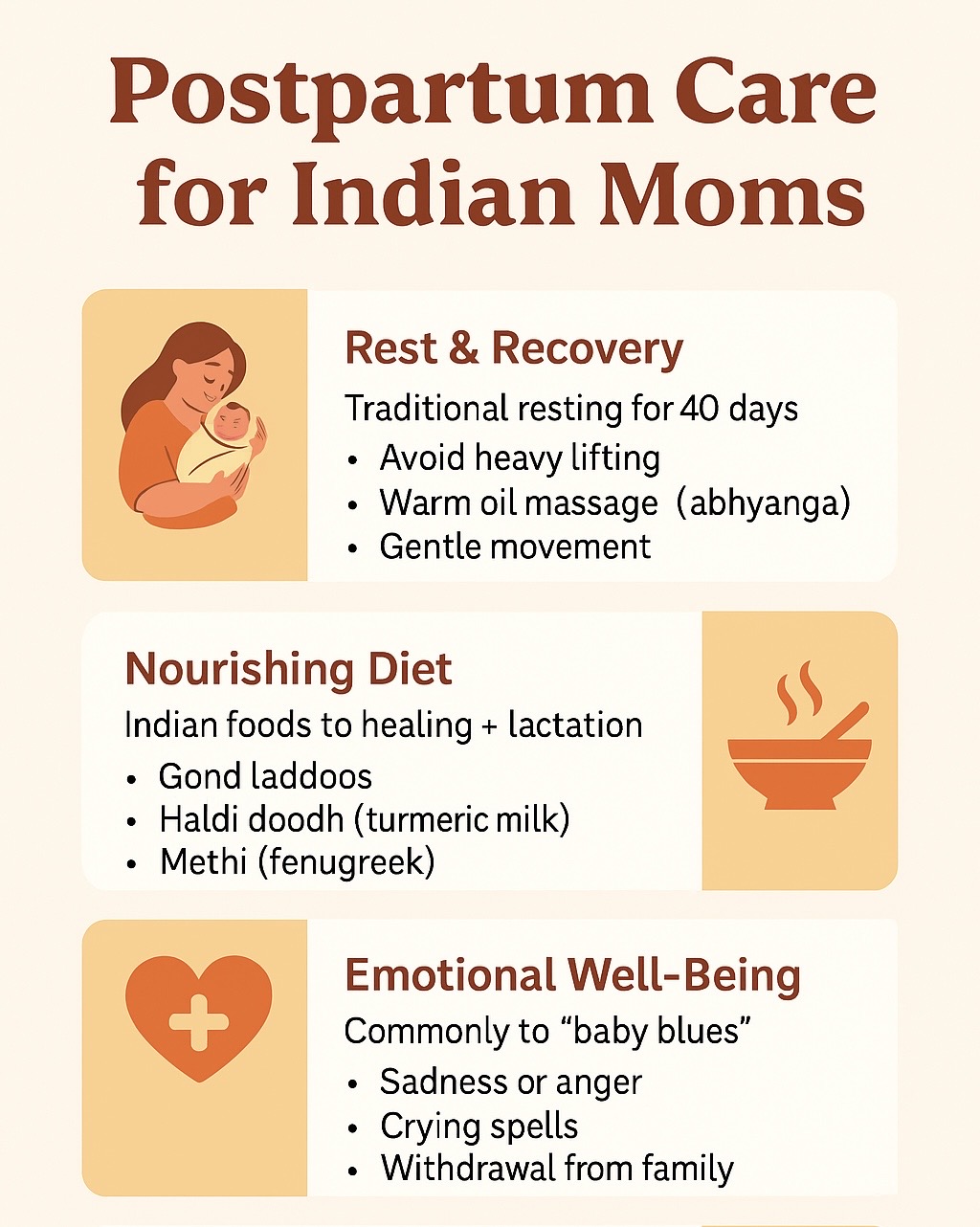
🛏️ 1. Traditional Indian Rest Practices (Sutika Kala)
In many Indian households, the new mom is encouraged to rest for 40 days. This period is known as:
• Sutika kala in Ayurveda
• Jaapa in North India
• Seemantham aftercare in South India
Key principles:
• No heavy lifting
• Warm foods and baths
• Staying indoors (to protect from infections)
• Daily oil massages
Modern take: While full rest may not be practical for everyone, at least 2–3 weeks of supported recovery can help immensely.
⸻
🧘♀️ 2. Ayurvedic Postnatal Massage
Indian tradition recommends abhyanga (warm oil massage) to:
• Improve blood circulation
• Rebuild muscle tone
• Relieve back and shoulder pain
• Reduce postpartum swelling
Best oils:
• Sesame oil (South India)
• Coconut oil (coastal areas)
• Castor oil (for joint stiffness)
Tip: Hire a trained postnatal massage therapist if available in your area. If not, ask a trusted female family member to help.
⸻
🥘 3. Nutrition: Indian Postpartum Diet
The right food speeds up healing, supports lactation, and prevents constipation and weakness.
Common Indian postpartum foods:
|
Food
|
Benefits
|
|
Gond ke laddoo / Dry fruit laddoos
|
Boost energy, warm the body
|
|
Jeera ajwain water
|
Aids digestion, increases milk supply
|
|
Moong dal khichdi
|
Easy on stomach, protein-rich
|
|
Haldi doodh (turmeric milk)
|
Anti-inflammatory, good for joints
|
|
Methi (fenugreek) dishes
|
Galactagogue (milk-boosting)
|
Avoid: Cold foods, deep-fried items, processed snacks, and caffeine in the first 2–3 weeks.
⸻
🍼 4. Breastfeeding Support
Breastfeeding can be difficult initially. Many Indian moms give up due to:
• Low milk supply anxiety
• Cracked nipples
• Latching issues
Essentials to help you:
• Nursing pillow (for support)
• Nipple cream (lanolin-based)
• Breast pump (manual or electric)
• Lactation consultant (can be found online too)
Tip: Drink ajwain + jeera water 2x a day and continue iron + calcium supplements.
⸻
🧘♀️ 5. Mental Health & Baby Blues
Up to 70% of Indian moms experience baby blues—mood swings, crying spells, anxiety—within the first two weeks. A smaller percentage develop postpartum depression (PPD), which can last months.
Watch for:
• Prolonged sadness or guilt
• Irritability, anger, or crying often
• Difficulty bonding with baby
• Withdrawing from family
Get help: It’s okay to talk to a therapist or counselor. Urban Indian cities have many online platforms for maternal mental health.
⸻
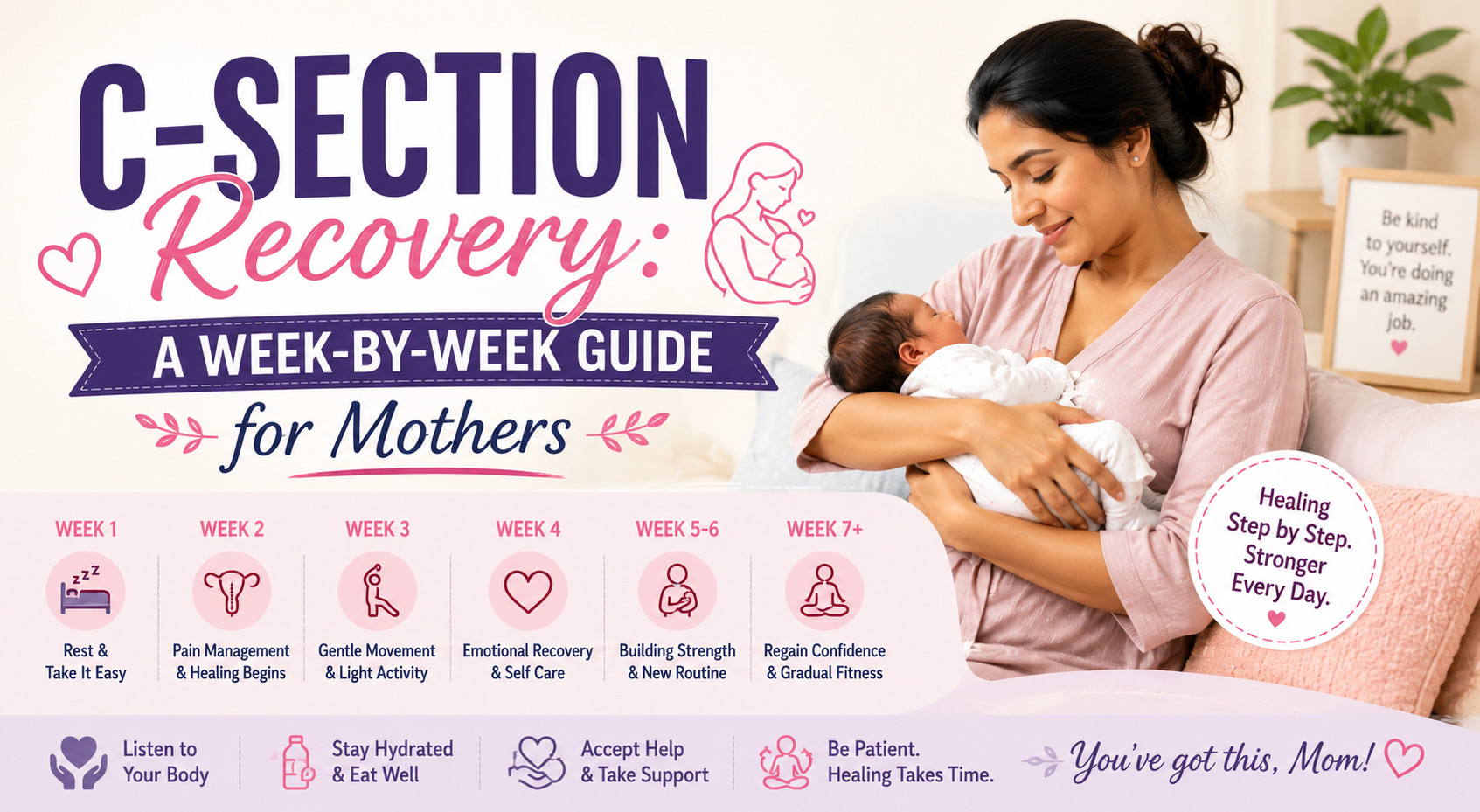
🧼 6. Vaginal & C-Section Recovery
Whether you had a vaginal birth or C-section, wound healing is key.
Vaginal Birth Tips:
• Use warm water spray instead of toilet paper
• Sitz baths (warm water + antiseptic)
• Change pads frequently
C-Section Tips:
• Avoid bending or heavy lifting for 4–6 weeks
• Keep the incision dry
• Watch for signs of infection (redness, discharge)
⸻
🧺 7. Hygiene Tips for New Moms
With reduced immunity, you need to maintain hygiene:
• Wash hands before breastfeeding
• Change undergarments daily
• Wash maternity pads with warm water if reusable
• Wear cotton clothes that allow airflow
⸻
🧾 8. Indian Superfoods for Recovery
|
Superfood
|
Benefit
|
|
Ajwain
|
Aids digestion, relieves gas
|
|
Haldi
|
Reduces inflammation
|
|
Gond
|
Strengthens joints and spine
|
|
Dry ginger (saunth)
|
Warms body, helps lactation
|
|
Coconut
|
Hydration and healthy fats
|
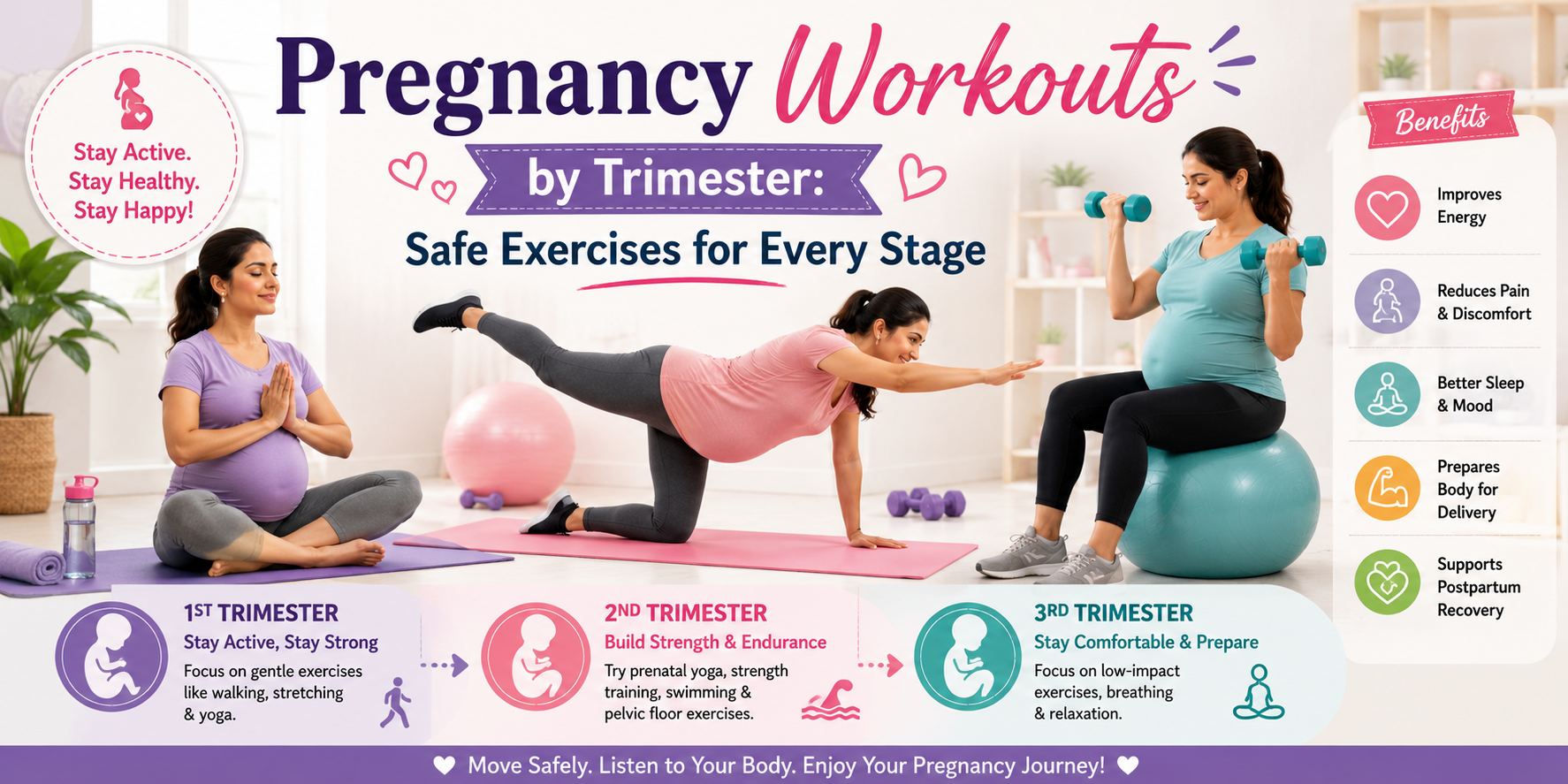
🧘♀️ 9. Gentle Postnatal Exercise
Start pelvic floor exercises (Kegels) 2–3 weeks after delivery with doctor’s approval.
After 6 weeks:
• Gentle walks
• Postnatal yoga (under guidance)
• Avoid crunches or high-impact workouts
Tip: Use a postpartum belly binder for back support if advised by doctor.
⸻
📥 Free PDF Download: Indian Postpartum Recovery Checklist
Get your free printable PDF with:
• Foods to eat
• Things to avoid
• Essential recovery tips
• 40-day daily checklist
⸻
🔗 Related Posts (Interlink These!)
• 👉 Best Breast Pumps in India
⸻
🧡 Final Thoughts
Postpartum care is not a luxury—it’s a necessity.
Dear new mom, remember:
• Rest is recovery
• Your emotions are valid
• You are healing just as much as your baby is growing
Surround yourself with help, nourishment, love, and patience. You’ve done something extraordinary. Let FirstChoiceClub.in walk with you in this next chapter. 🌼